Planning Drop-In Sessions
- 26th April 2013
On the morning of Friday 26 April our Historic Environment Planning Office, will be starting monthly drop in sessions. These will be talk through how the historic environment could affect planning applications you may be thinking about.
The historic environment is a material consideration in determining planning applications, and many developers are still unclear as the potential impact it may have on their development. Mike sees all planning applications for the county to comment upon, which number around 380 per month. Early consultation is an effective way of understanding and managing this risk. So if you would like to know if the historic environment may affect your development proposals, and what you need to do to make application compliant with the National Planning Policy Framework, then why not come in for a informal and confidential chat.
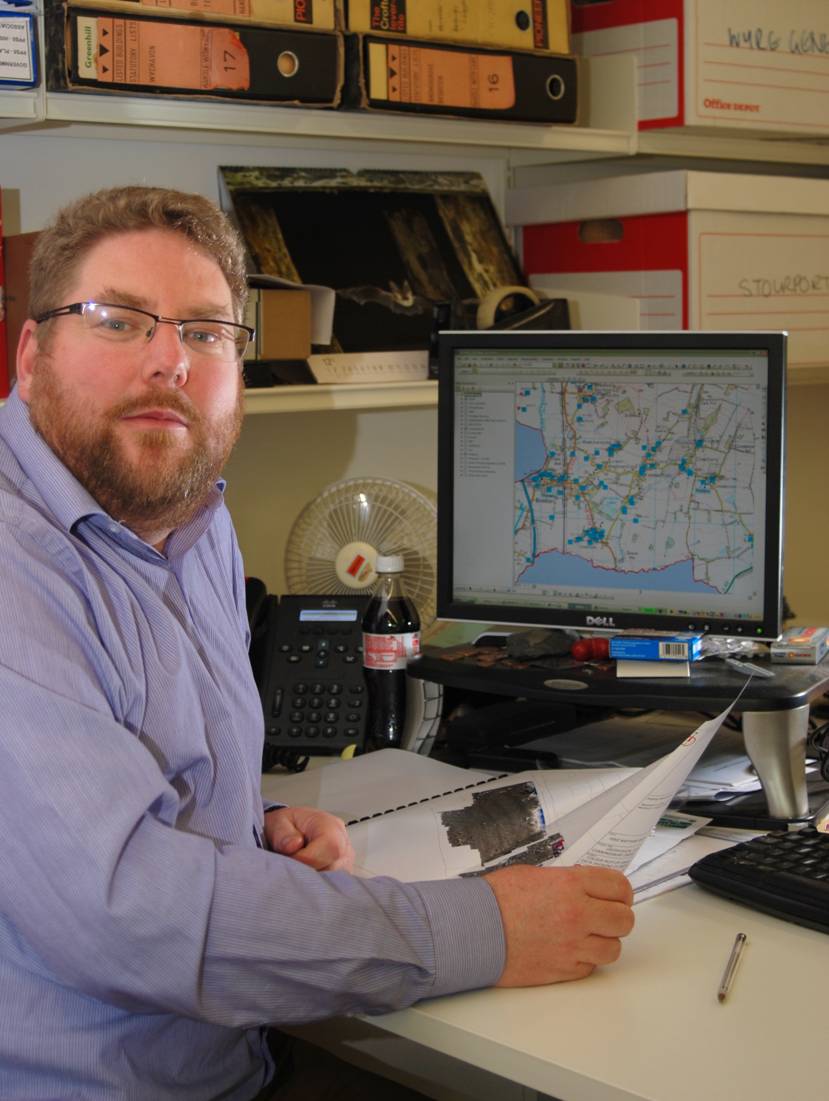
It isn’t just Worcestershire that Mike has advised on, as he has also given Historic Environment advice to Ambridge. The BBC contacted him a few years ago to talk through a storyline about a development, and asked him for information as to how archaeology could potentially impact what happened. This was then built into the story to ensure accuracy.
Mike Glyde, Historic Environment Planning Officer, said, “The Historic Environment forms part of the planning process, but often small developers and individuals are not sure what role it plays. I’m happy to talk to people by appointment, but these drop in sessions provide another opportunity to find out more, and ways in which we can help.”
Mike will be in the Business Lounge on Level 2 of The Hive from 10am to 1pm on the last Friday of the month for a pre-application drop in shop. Just pop in to see him. If you want to speak to him at other times you can e-mail him on mglyde@worcestershire.gov.uk


