Discover more about archaeological finds
- 26th September 2017
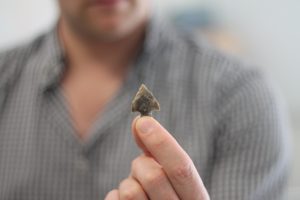
Following on from our archaeology workshops over the past couple of years we have a new series led our Finds Archaeologists.
This short course will give you the opportunity to learn more about archaeological finds from local experts. Sessions will also include a chance to handle examples, so that you get first-hand experience of the objects.
The panel of speakers includes contributors to a recent book on the later prehistory of the West Midlands, Westward on the high-hilled plains: the later prehistory of the West Midlands, and to a forthcoming volume on the Roman West Midlands, A clash of cultures? The Romano-British period in the west Midlands. All the speakers regularly produce specialist reports on archaeological finds in the region.
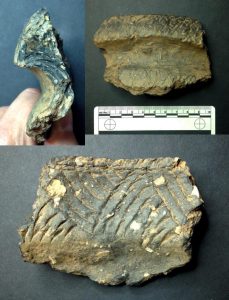
Whys and wherefores of finds study – Derek Hurst, 26 October 2017
Artefacts remain at the core of archaeological work and have a multiplicity of uses. This session offers the chance to gain some insights into the ways in which artefactual data is produced, and applied to developing our understanding of a site, as well delving into issues that increasingly beset the collection of artefacts.
Chopping and changing: identifying and recording prehistoric worked flint – Robert Hedge, 2 November 2017
This session will cover identification and recording of types of stone tools and knapping waste, and introduce methods of analysis and dating. Aimed at those with some experience of archaeological methods and finds who would like to improve their recognition and interpretation skills.
Pots, potters, people and processes: pottery in Roman Britain – Jane Evans, 16 November 2017
Pottery, one of the most common finds on Roman sites, provides a major source of evidence – for patterns of trade, social and cultural status, and the date and type of activity taking place on individual sites. This session provides a hands-on opportunity to learn about Roman pottery and the sort of evidence it can provide.
An evening on the tiles: the tiling industry of medieval Worcester and its products – Laura Griffin, 23 November 2017
Knowledge of Worcester’s medieval tiling industry and its related products has increased significantly over the past decade, due to the excavation of a number of kiln sites and key assemblages. This session provides a general overview of this major medieval industry, a guide to identifying the products and the opportunity to handle both floor and roof tiles from our collections.
You can book your place at https://e-services.worcestershire.gov.uk/LibraryEvents/EventDetails.aspx?id=405.
The cost is £45 for the series -if you are interested in individual sessions, please get in touch.


Post a Comment