Flooding and the Historic Environment in Worcester
- 21st June 2014
Worcestershire Archive and Archaeology Service has been commissioned by English Heritage to undertake a project aimed at appraising the impact of flooding and flood mitigation on the county’s distinctive and rich historic environment and landscape character.
Worcestershire is particularly vulnerable to riverine and rainwater flooding with large areas of the countryside, including numerous historic towns and villages, being regularly inundated. As well as impacting on local communities, the effects of flooding on historic environment features and character can be significant. In the future, climate change and altering land use patterns may lead to additional flooding of previously unaffected areas, creating new challenges for the historic environment and heritage management.
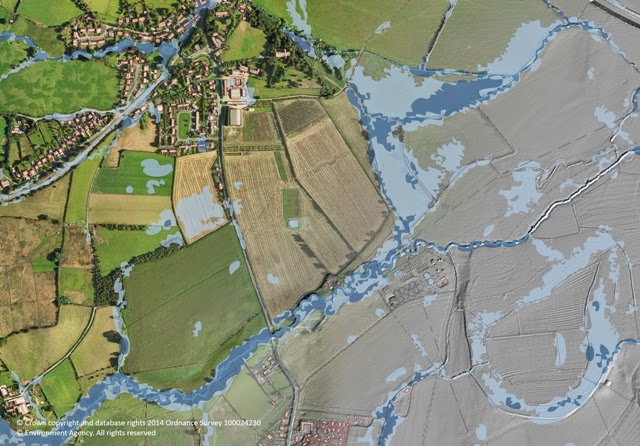
This project will provide considerable benefits to anyone across the county involved in water management, such as those tasked with the design and implementation of emergency response strategies and neighbourhood planning, and Sustainable Urban Drainage Systems (SUDS). It will also inform related strategies associated with water quality and broader land management issues through initiatives such as Green Infrastructure Frameworks.
The initial stage of the project is the production of a catalogue of known historic environment features that have the potential to affect or be affected by flooding. This catalogue will form the evidence base around which the subsequent appraisal of sites will occur. Once these initial data gathering stages are complete the project will turn to look at three case studies from across Worcestershire. The aim of the case studies is to engage local communities and establish how we can work together to protect and enhance the historic environment.
The first two case studies have been identified and these will be of Kempsey and Sedgeberrow. The location of the third case study is currently undecided and we would be happy to hear any suggestions. This case study could be linked to a specific settlement, or it could be more thematic and linked to a particular issue across a wide area of Worcestershire. If you have any suggestions please contact us at archaeology@worcestershire.gov.uk.
For more information on the project please visit our website www.worcestershire.gov.uk/archaeology/flooding.
You can view the first project newsletter here.


