Shakespeare in the Archives: His Grandfather’s Will
- 20th March 2020

In addition to the documents relating to William Shakespeare’s marriage, we also hold the will of his maternal Grandfather, Robert Arden. Again, as with the marriage bond, this is here because they needed to come to the Consistory Court of the Bishop of Worcester as Stratford upon Avon was in the Diocese.
Robert was a member of an important family in the area, farming land in Wilmcote owned by Lord Abergavenny. He had eight daughters including Mary, William Shakespeare’s mother. In his Will Robert Arden made Mary one of his executors, which was quite unusual. When he died in 1556, Mary, who was still single, inherited his 30 acre estate called Asbies in Wilmecote, together with further land at Snitterfield.
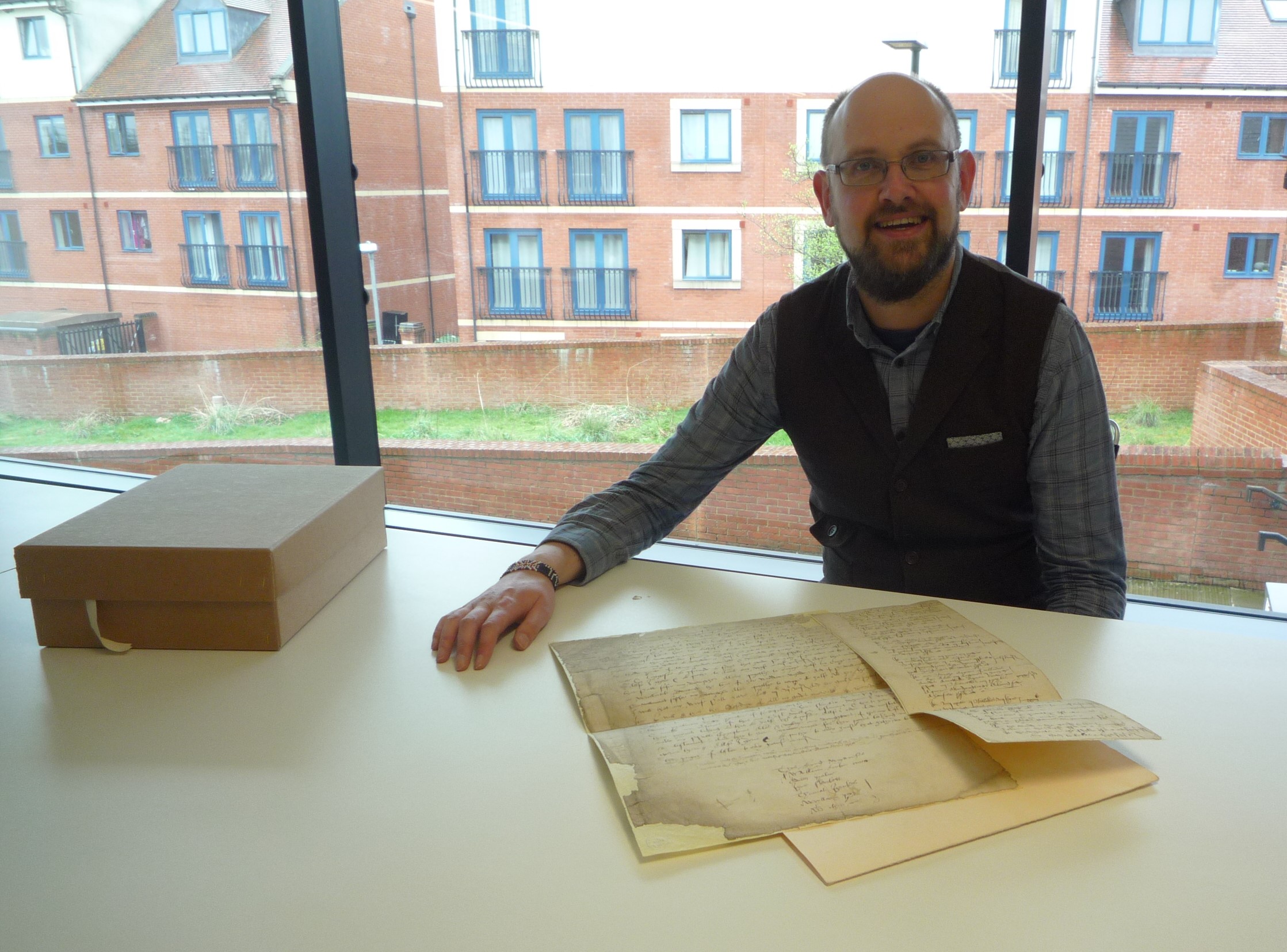
Outreach Manager Paul Hudson, with the will and inventory
A few years ago the historian and TV presenter Michael Wood made a film: Shakespeare’s Mother: The Secret life of a Tudor Woman, looking at what we could be discovered from the documentary evidence about a woman in Tudor England. Robert Arden’s will was an important piece of the story. At a time when men dominate the historical record Michael still managed to piece together various information from different sources, including the will, to tell as fascinating story about her life.
Michael came to The Hive to film a discussion of the will with Professor Chris Dyer. Many of us are big fans of Michael Wood, watching his programmes over the years, so it was a thrill to have him here.
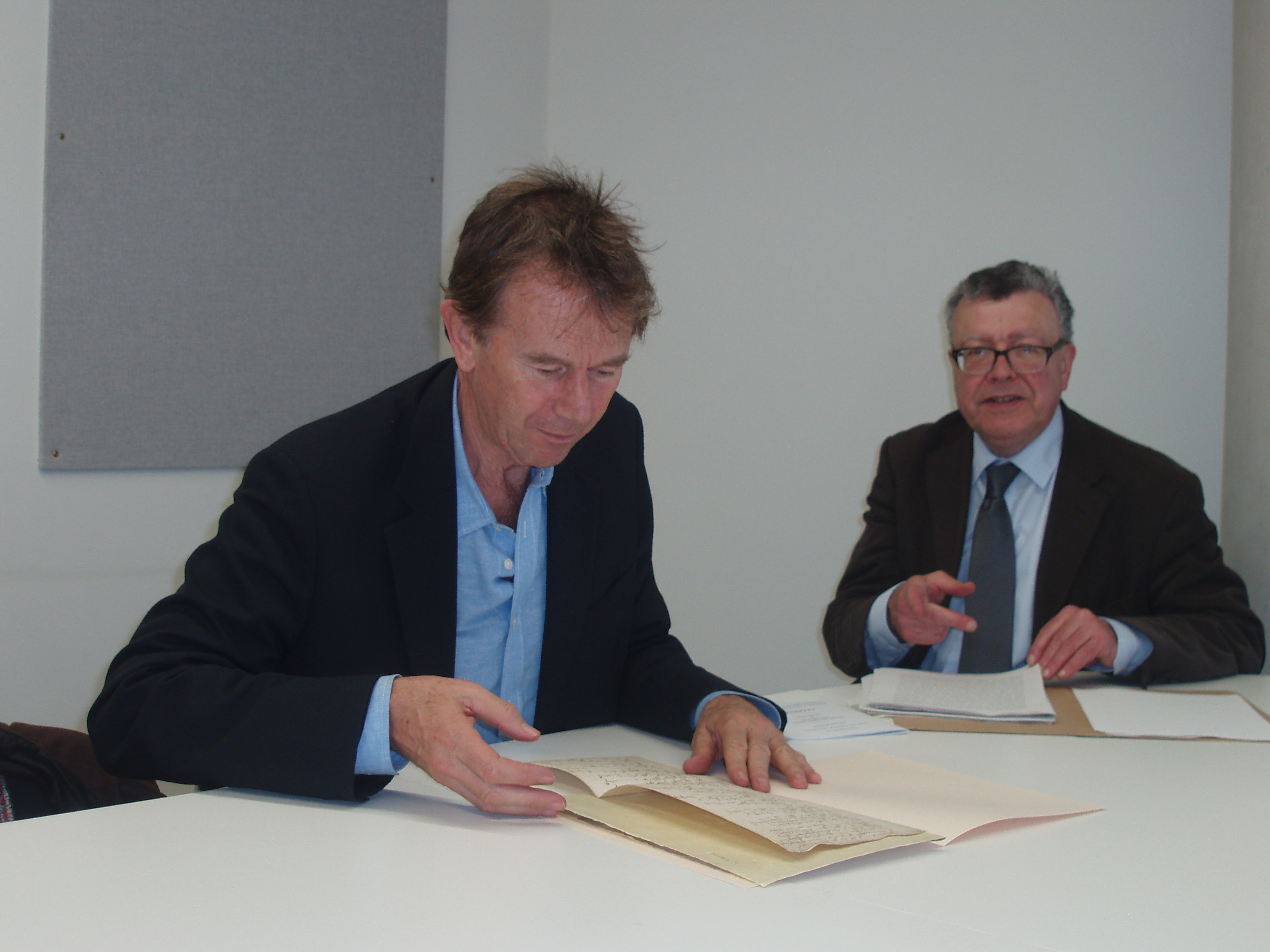
Michael Wood and Chris Dyer in The Hive with the will
The will was accompanied by an inventory of Robert’s goods at the time of his death. This inventory draws a picture of what Robert’s house would have been like in 1556. It includes tables, chairs, benches, a cupboard, beds and bed linen as well as eight painted tapestries. In the kitchen were pots, a cauldron, a frying pan and pewter candlesticks.
The inventory also lists a cart, harness and gear, and an eight-ox team as well as livestock including cattle, sheep, pigs, horses and beehives.
A couple of significant things are that he had 3 chairs when many could just afford one at most, so not only could a guest sit on a chair, but Robert and his wife could too. They also had a team of 8 oxen, which was another indication of their wealth, and meant they wouldn’t have to borrow a team.
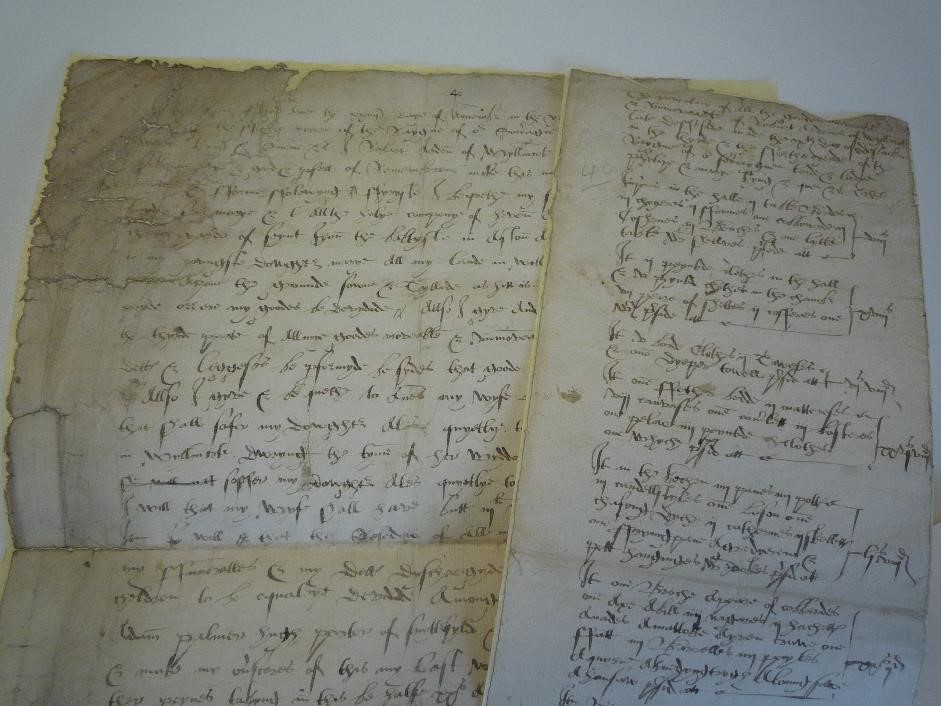
We have thousands of wills, which are an often overlooked source in family and local history. Most are just of interest to specific people research their ancestors or local people, but a few stand out as being of major significance, such as Robert’s will.
The TV programme is repeatedly intermittently on BBC4, so look out for it when it’s next on and find out more about Shakespeare’s mother and grandfather.
STOP PRESS!!!
Maya Vision read our social media and have put the documentary up.
A password is needed which is: Goldfishbowl
Robert’s house is usually open to the public (although currently closed due to the public health situation), under the name Mary Arden’s Farm.
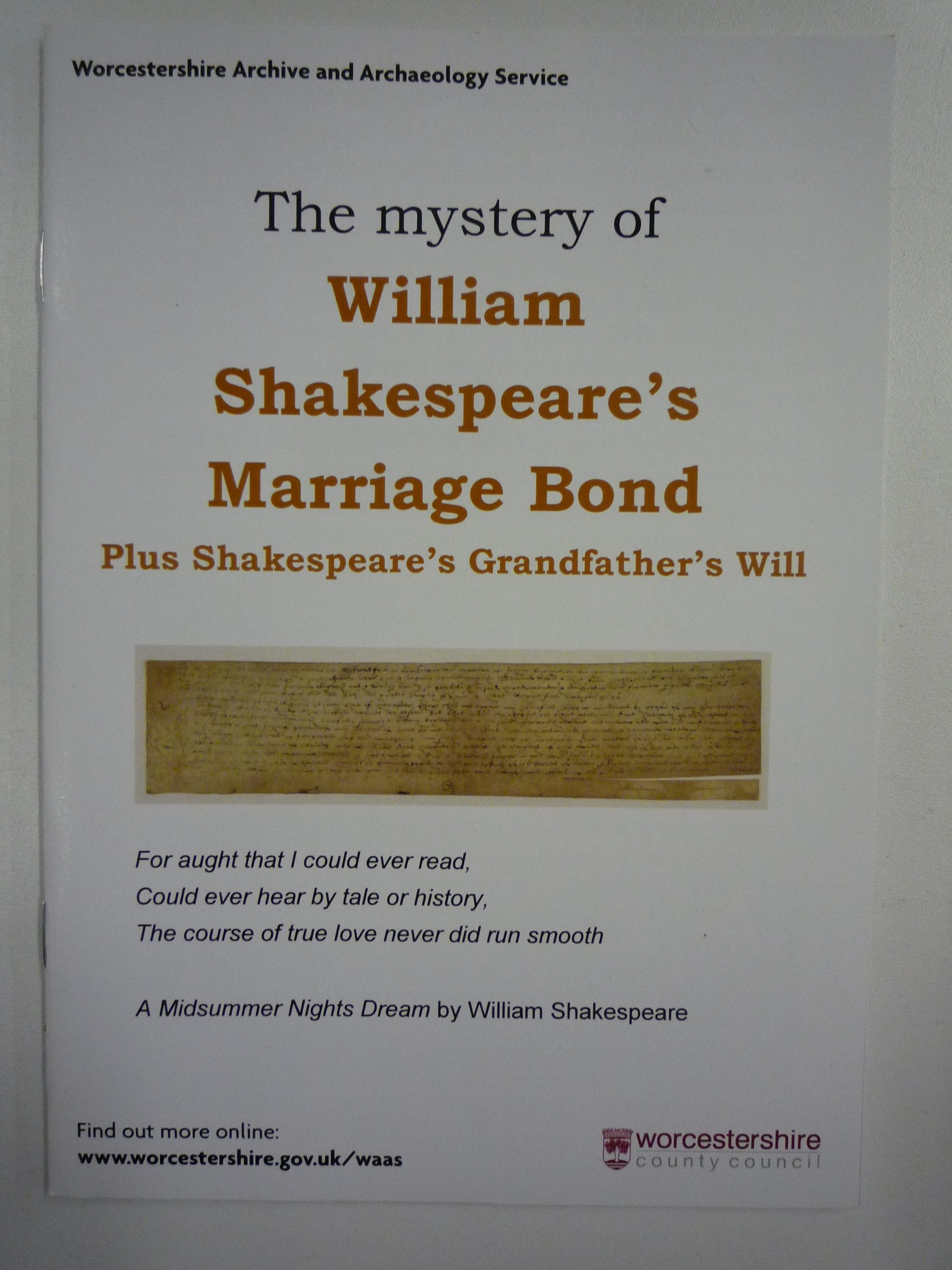
The will is featured in our booklet about our Shakespeare documents


Post a Comment