Charter 400 Competition
- 17th July 2021
As part of the Worcester Charter 400 celebrations, which we are supporting, there are special essay competitions which you can enter. Inspired by the 1621 Charter, held here in the archives, there are categories for children and adults.
The Charter, issued by James I in 1621, gave Worcester new rights, including the right to have a mayor for the first time. Our 1621 Charter blog explains about the significance in more detail.
 Essay Competition
Here is your chance to do some research and find out why the Charter matters – and what difference it has made to the running of the city since 1621. There are three categories to enter:
Children aged 8-12 (School Years 3-7) – prize is £100-worth of book tokens;
Young people aged 13-18: (School Years 8-13) prize is £250-worth of book tokens;
Open competition for age 16+ cheque prize worth £500.
To enter the competition please fill in the Registration details on the forms and return by email to: tourism@worcester.gov.uk Return the completed Project in hard copy or electronic format to this email or alternatively post or deliver it to The Tourist information Centre, The Guildhall, High Street, Worcester, WR1 2EY. Closing date is 3 September 2021.
Full details and rules can be found on the forms.
Good luck!
Category: School Years 3-7, aged 8 to 12
The aim of the competition is to encourage people to have a better understanding of your area, place and identity by looking at who or what was important to the City in 1621, and why, and what has developed since 1621 to make Worcester what it is today. You may include maps and images in your finished work, but they must have copyright permission for use if relevant. If you can, provide references and note what sources you have used. The top entries may be published, but these must include references.
Your project can take any form and be about anything BUT it must be based on the main organisations, institutions, industries, churches, buildings, charities and people in Worcester around 1621 and why they were important.
See School Years 3-7 entry form
Category: School Years 8-13, aged 13 to 18
The aim of the competition is to encourage people to have a better understanding of your area, place and identity by looking at who or what was important to the City in 1621, and why, and what has developed since 1621 to make Worcester what it is today. You may include maps and images in your finished work, but they must have copyright permission for use if relevant. If you can, provide references and note what sources you have used. The top entries may be published, but these must include references.
Places where you may find things to help you include your local library, Worcestershire Archive and Archaeology Service at The Hive, Worcester City Museums, Worcester Cathedral, Greyfriars, Royal Worcester Porcelain Museum, and the Worcestershire Soldier Museum.
What we want you to do: After reading a passage extracted from Victoria County History (see entry form 2), write an essay up to 2000 words long on one of the questions below:
Question 1
The charter outlines the roles of those with responsibility. How might these roles have changed over the course of 400 years? Reference could be made to individual families who assumed these roles?
Question 2
The charter makes reference to institutions and places recognisable today, such as the Cathedral, the Guildhall, the Mayor and the less well known Clothiers Guild. Investigate why these were of such importance in 1621 and how their relevance may have changed over time.
Question 3
Was Worcester of 1621 a very different place to the city of the 21st century? Discuss in terms of economic, social and political characteristics.
See School Years 8-13 entry form
Open Competition
The aim of the competition is to encourage people to have a better understanding of your area, place and identity by looking at who or what was important to the City in 1621, and why, and what has developed since 1621 to make Worcester what it is today. You may include maps and images in your finished work, but they must have copyright permission for use if relevant. If you can, provide references and note what sources you have used. The top entries may be published, but these must include references.
Places where you may find things to help you include your local library, Worcestershire Archive and Archaeology Service at The Hive, Worcester City Museums, Worcester Cathedral, Greyfriars, Royal Worcester Porcelain Museum, and the Worcestershire Soldier Museum.
Based on a precis of the contents of the Charter of 1621 (see Open Entry Form), we invite an essay of up to 10,000 words on a topic which relates directly to the Charter, Worcester in 1621, or the development of the places, people and institutions referred to in the Charter over the last 400 years, and their significance today
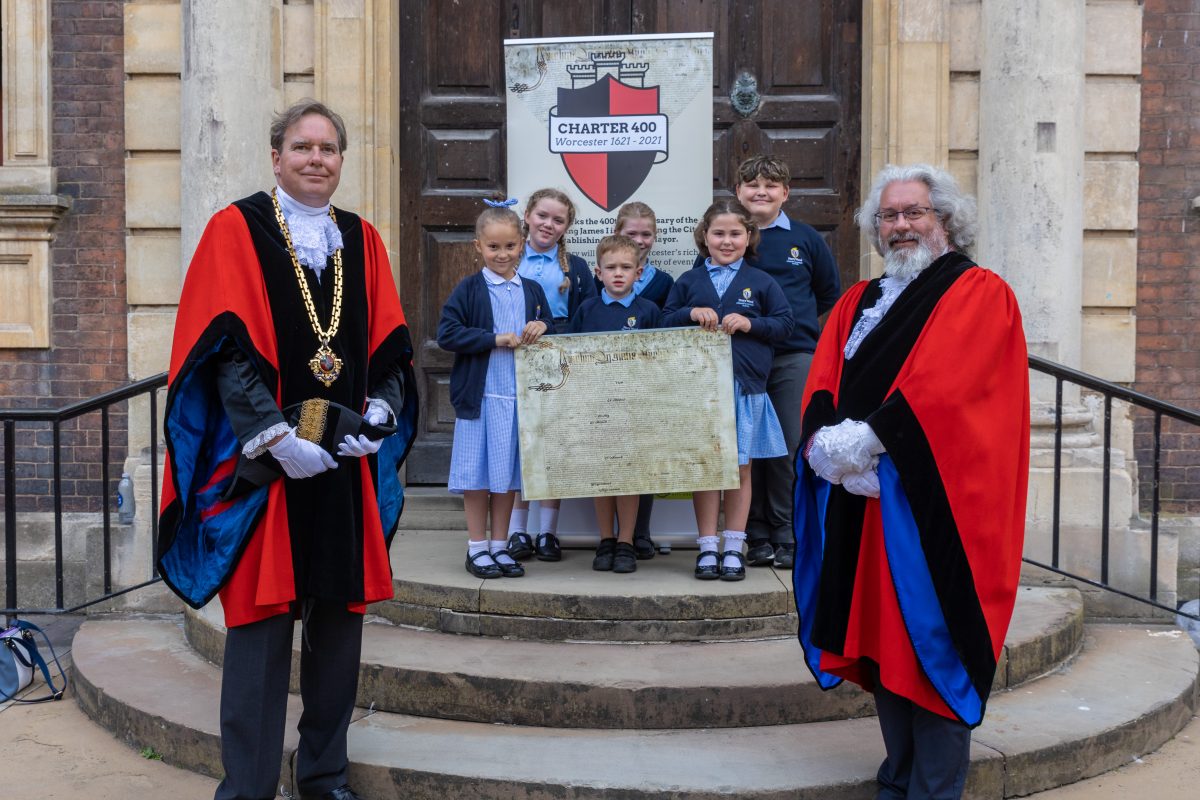
Mayor and Deputy Mayor with a replica of the Charter
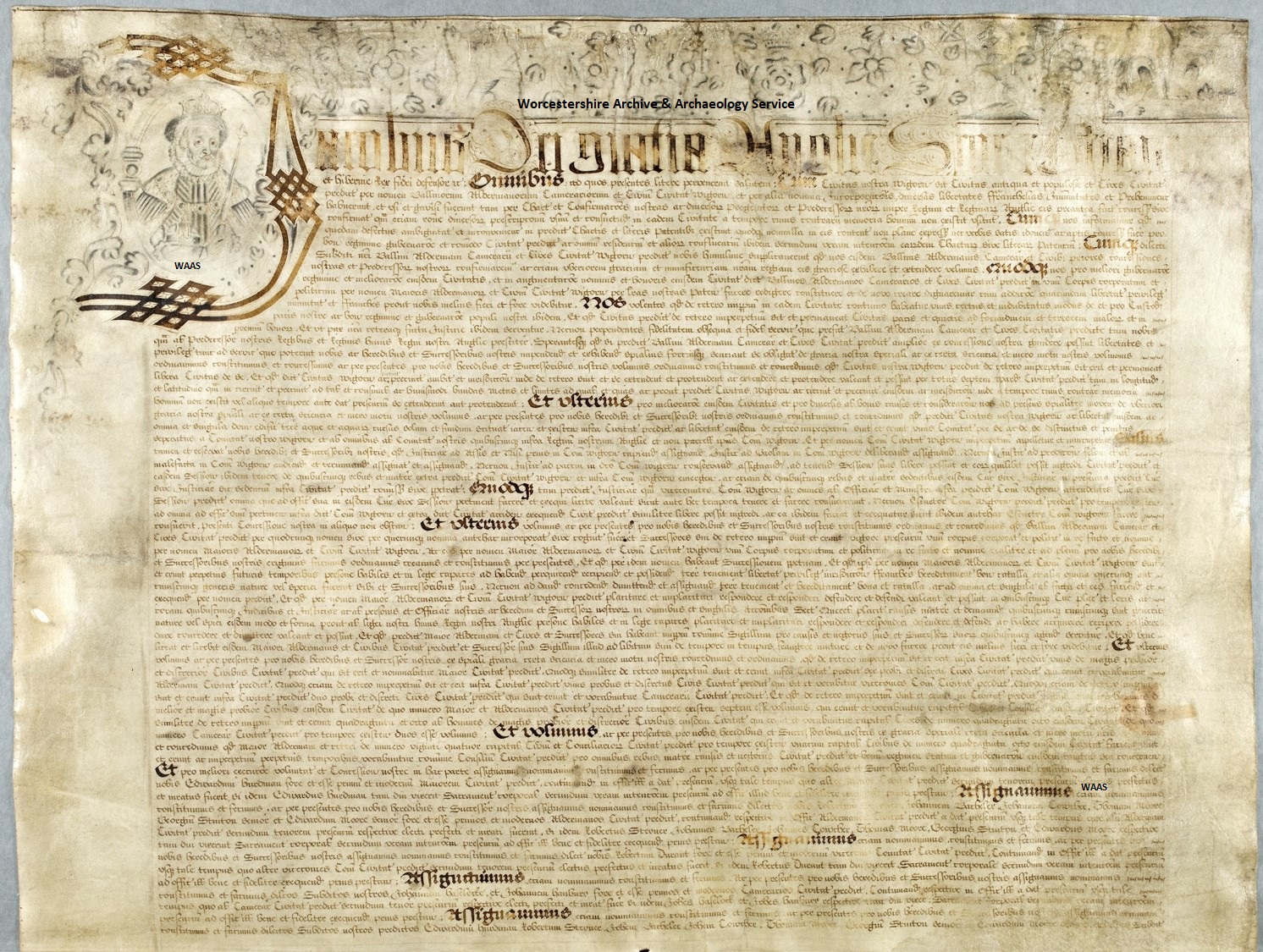
1621 Charter


Post a Comment