Hidden Voices – LGBTQ+ records
- 1st February 2025
As we begin #LGBTQ+ month, we look at the records that shed light on a community whose story is not often heard in the narrative of the past.
In 2012, Worcestershire Archive and Archaeology Service were delighted to receive a deposit from Hereford & Worcestershire Lesbian & Gay Switchboard (ref BA15404). This collection of minutes, newsletters and general correspondence highlight how this group supplied support and practical advice, with positivity and sometimes humour, to those who contacted them.
In 2017-18, we also received a collection of photographs and posters from Worcestershire Pride (BA 16227) which showcase the sheer exuberance and joy of the event.
Until recently the history of the LGBTQ+ community was not visible in our archives. Due to the criminalisation of male homosexuality, many LGBTQ+ people had to hide their identities and stories. Researchers have had to delve deep into our collections, relying on reports in newspapers and Quarter Session papers to help tell their stories.
One of our customers came across the trial of Robert Smith, reported in the Berrows Journal. Smith was a solicitor and land agent to William Berrington of Little Malvern Court, but his career was ended in 1843 when he was arrested in Hyde Park, London, with another man, George Stacey, and charged with indecent conduct in a public place. During the trial, Smith’s defence team brought forward several individuals to give evidence of his decency and honourable conduct, yet both men were found guilty and sentenced to one year’s imprisonment. That same year Smith was declared bankrupt, and his possessions were sold. William Berrington continued to write him, and it is interesting that despite his ‘public disgrace’ Smith’s friends and employer remained supportive of him. Perhaps even in Victorian society a man’s character counted for more than a received public morality. There are many similar legal records held in archives, but they far from paint the whole picture of the reality of LGBTQ+ lives. More research into other sources is needed.
One potential source is our Vesta Tilley scrapbooks, recently featured in Who Do You Think You Are? Magazine (January 2025). Vesta was a music hall star with immense popular appeal who frequently performed dressed as a man. Her scrapbooks contain letters, some from young women, detailing how her professional persona gave them hope and comfort and that others felt the same way they did.
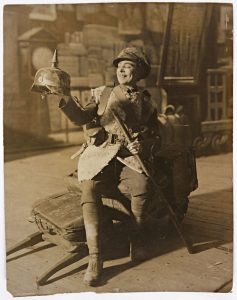
Vesta Tilley dressed as a soldier BA14233
Worcestershire Archive and Archaeology Service are keen to encourage research into LGBTQ+ history, to ensure our collections are representative of every part of our community. If you are part of an LGBTQ+ organisation, have personal records you would like to share with us, or would simply like to find out more, please get in touch.
LGBTQ+ History month runs from the 1st to 28th February 2025.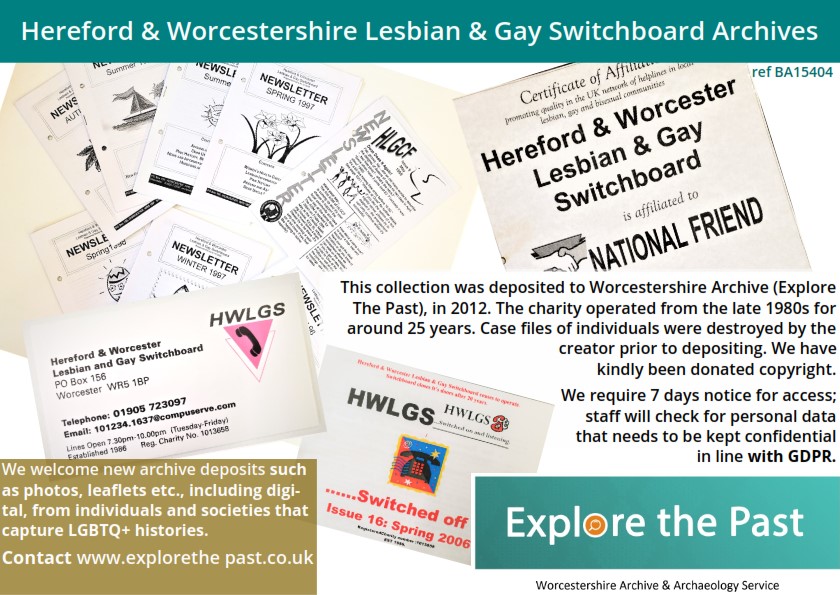


Post a Comment