True Crimes
- 23rd March 2026
We are using some of the archival material that we hold to turn a spotlight onto True Crimes that have occured in this county.
On Wednesday 15th April 2026 visitors can join us at The Hive for a fascinating evening looking at The case of Bella in the Wych Elm which has, for 83 years, excited sleuths, both professional and amateur alike.
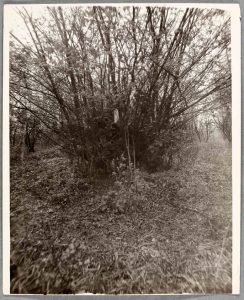
Photograph courtesy of West Mercia
In April 1943, the remains of an unidentified woman were discovered inside a hollow wych elm tree in Hagley Wood. More than eighty years later, both the woman’s identity and the circumstances of her death remain unknown. The mystery has sparked countless theories, from espionage to witchcraft, and continues to fascinate historians, criminologists, and the public alike.
In this session, we’ll move beyond the myths and examine the evidence.
What to Expect
- West Mercia Police archives will help us trace the origins of the many theories surrounding the case and separate speculation from documented fact.
- Staff from the University of Worcester’s Policing Department will explore how a case like this would be approached using modern investigative techniques.
- Local playwright Sarah Hutton, shortlisted last year for Malvern Theatres’ prestigious Three Counties Stage Writing Competition, will discuss how press coverage shaped — and often distorted — public understanding of the case.
This talk offers a rare opportunity to revisit one of the Midlands’ most enduring mysteries through the lenses of policing, media, and historical context.
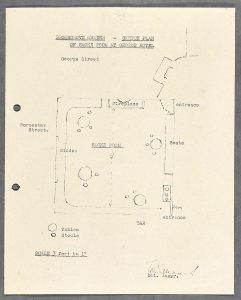
Image courtesy of West Mercia Police.
On 22nd April we’ll be delving into another haunting unsolved case from the Second World War: the murder of Florrie Porter. In 1944, Florrie’s body was discovered on the grounds of a school in Lickey End. She had been brutally stabbed, and despite numerous witnesses, including US soldiers who saw her in a Bromsgrove bar shortly before her death, the American serviceman she was last seen with was never identified.
US Military Police assisted with the investigation, but no perpetrator was ever found.
What to Expect
- Our Archivist will use police documents to uncover the facts of the case.
- The University of Worcester’s Policing Department will examine why violent crime often rises during periods of conflict and social upheaval.
- Dr Charley Barnes (English, Media & Culture) will shift the focus toward the victims, urging us to remember their lives rather than the notoriety of their cases.
It promises to be a thoughtful and sobering exploration of crime, memory, and the pressures of wartime society.
To conclude our True Crime series, we’ll travel back to the 18th century to explore the full spectrum of offences and punishments of the era — from the serious to the downright absurd.
This talk will uncover:
- The wide range of crimes people could be charged with
- The sometimes surprising or severe punishments handed down
- How communities used social pressure and public justice to regulate behaviour
It’s a fascinating window into how society functioned, what it feared, and how justice was understood in a very different time.
Dates for the session will be confirmed soon – keep an eye out for updates: https://www.explorethepast.co.uk/events


Post a Comment