St Swithun’s Church, Worcester
- 15th July 2019
It is St Swithun’s day today. Most people associate today with the legend that whatever the weather is on 15th July it will remain the same for 40 days, based on the legend of what happened when St Swithun’s bones were moved inside Winchester Cathedral.
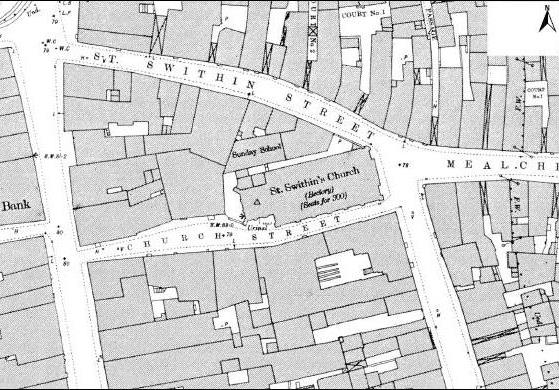
St Swithun’s shown on 1880s Ordnance Survey Map
In Worcester we have a church named after St Swithun, currently in the care of the Churches Conservation Trust. As part of the major work funded by National Heritage Lottery Fund our archaeologists have been helping over the past couple of years.
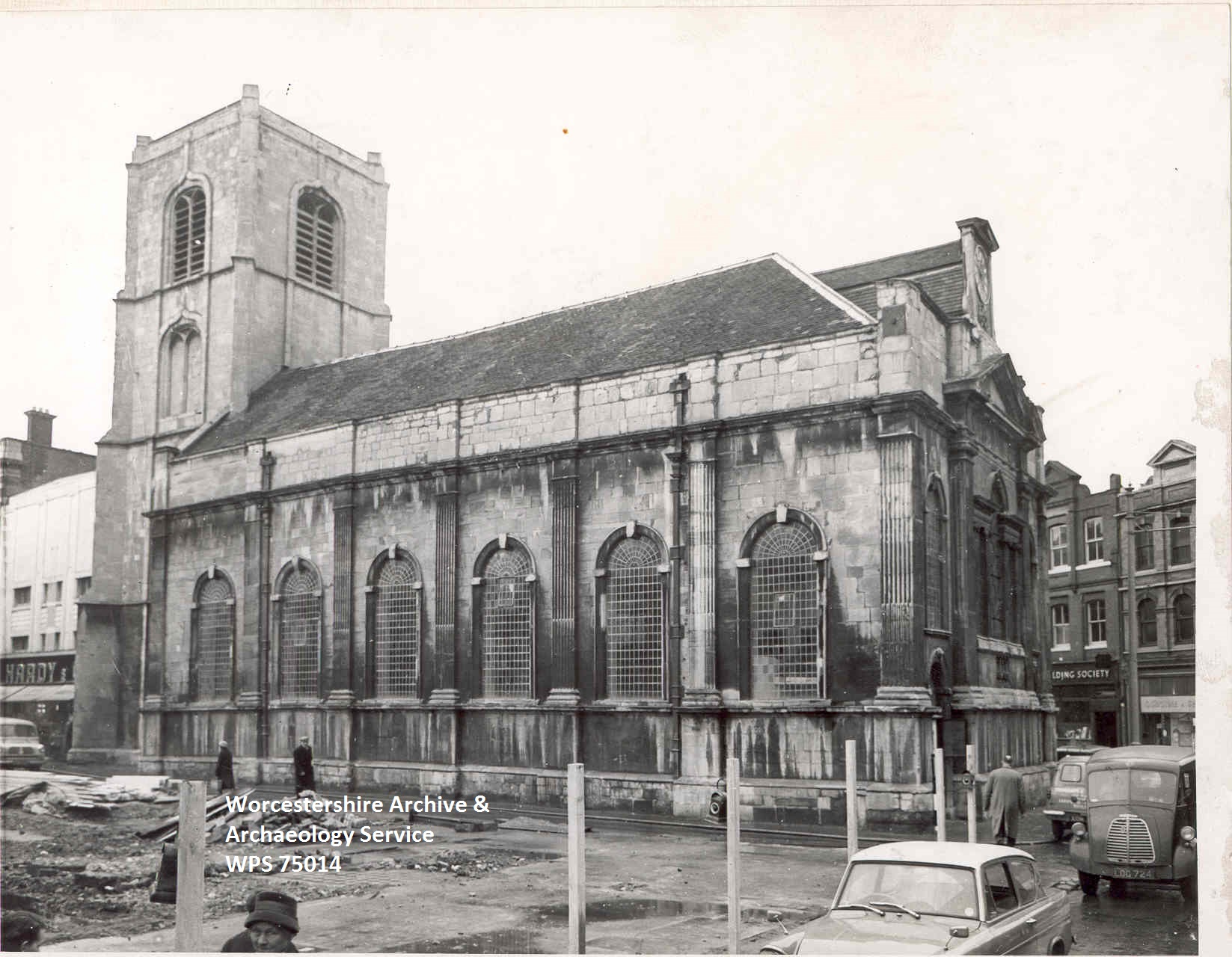
St Swithun’s in 1962. Photo copyright Berrow’s Worcester Journal
The historic environment has to be taken into account in the planning process, and as an important historic asset for Worcester archaeologists have been involved in providing information about the site and recording both before and during works. The main ways we’ve been involved are:
- Desk Based Assessment – an archaeological report bringing together maps, plans, documents to assess the below and above ground archaeology/heritage to understand their significance and potential impacts upon them. A lot of this information came from colleagues in the archives through maps and documents here in The Hive.
- Building Recording – a buildings specialist made a detailed record of the building through scale drawings and photographs to ensure the building is fully understood and a detailed record before work takes place is preserved.
- Watching Brief – an archaeologist visits when work takes place which may disturb archaeology. If anything of relevance was found it would be recorded.
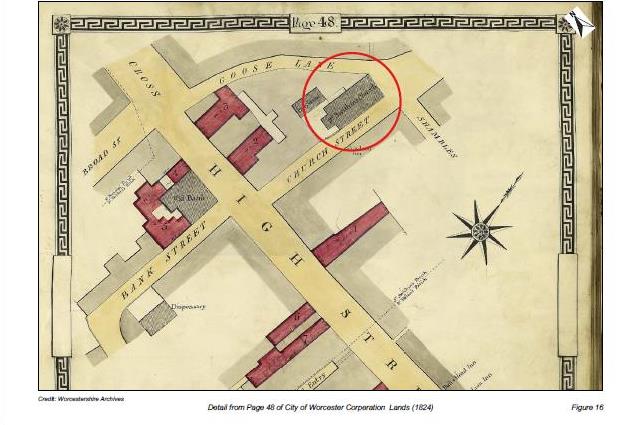
St Swithun’s shown in a plan of property in 1824 from Worcester City Archives, used in the DBA
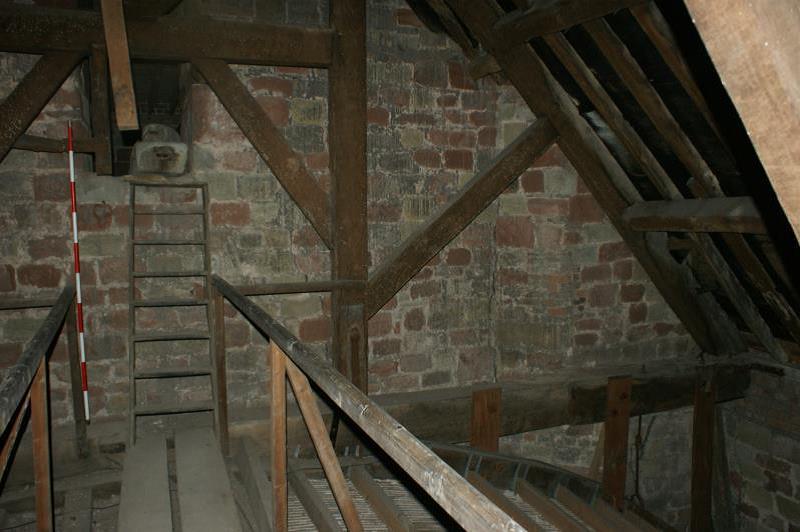
Medieval stone work of the tower with a continuation of the diagonal buttress, looking north-west
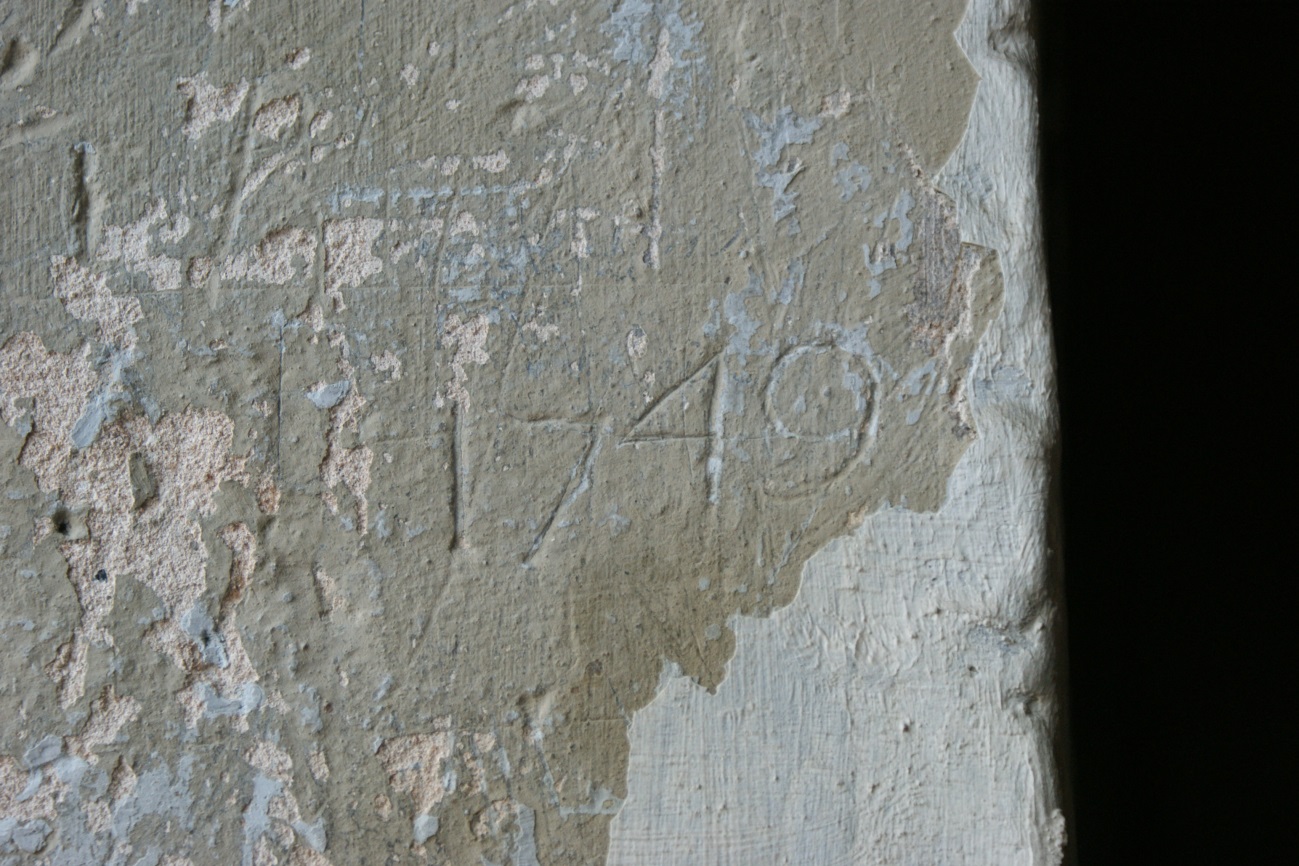
Old graffiti
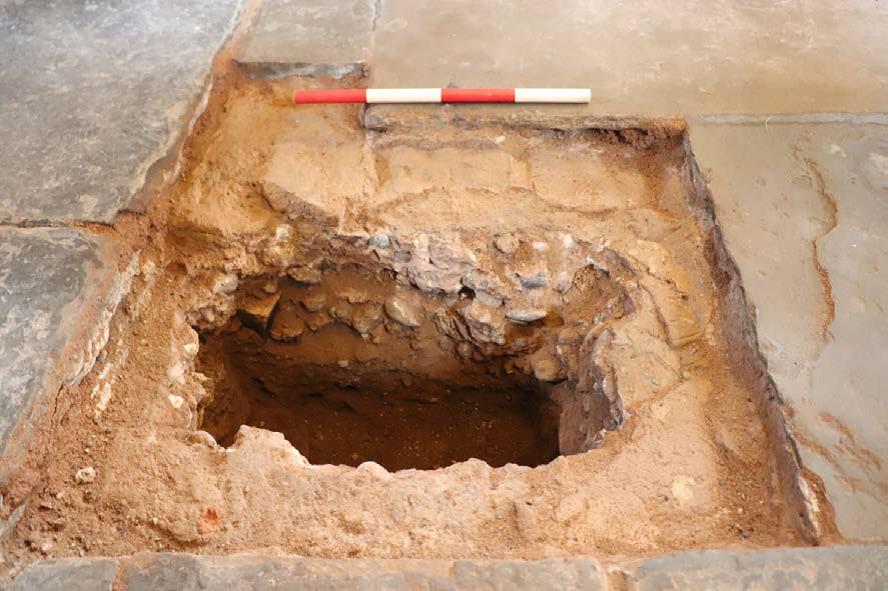
One of the holes dug as part of works which has been recorded
The work is ongoing, and often involves lots of small areas, so can be hard to make sense of individually, but when completed will provide important information about the church. The reports will be deposited in the Worcester City Historic Environment Record, so available for anyone to access.
Find out more about the project at https://www.visitchurches.org.uk/what-we-do/regeneration-and-communities/regeneration-projects/st-swithun-worcester-regen.html
Our Field Section, ‘Worcestershire Archaeology’, provides archaeological services across Worcestershire and beyond.
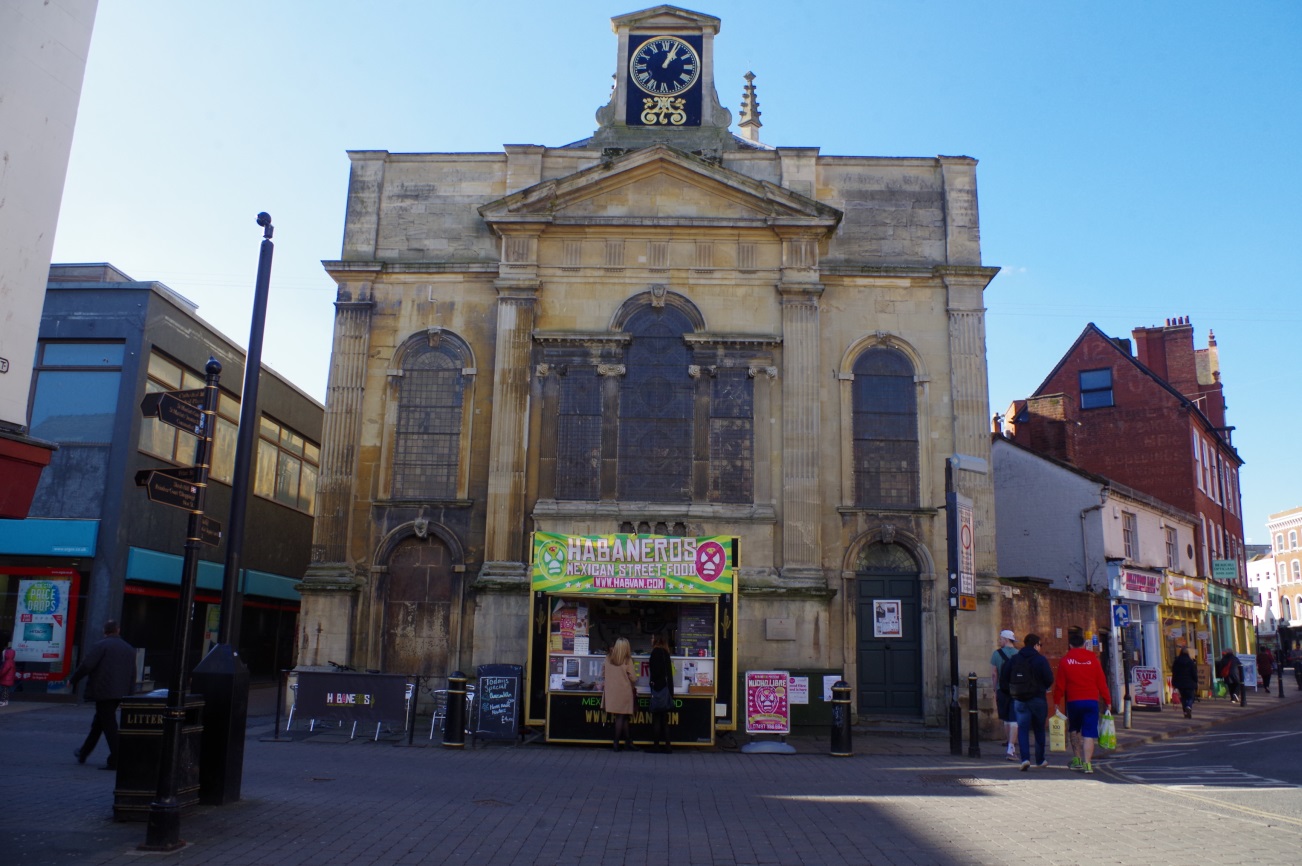
East end of St Swithun’s 2016
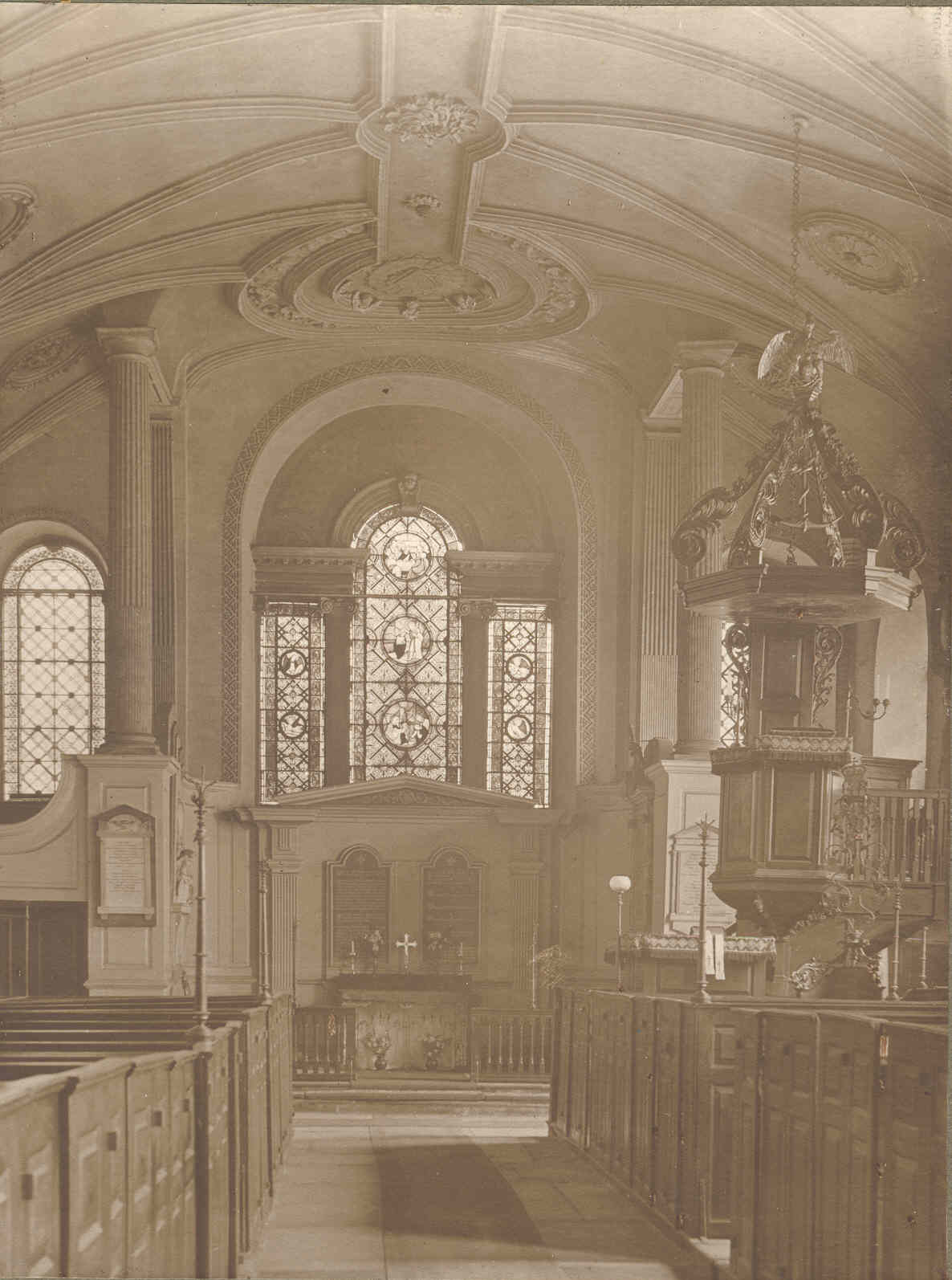
Interior 1905. Worcs Photographic Survey 75016
We have a 2020 update last year.


Post a Comment